
Container Types, Sizes and Dimensions Guide (20DV, 40DV, 40HC, Open Top, Flat Rack, Reefer)
- Ali Senel

- Mar 22
- 2 min read
International container transportation is the backbone of global logistics. Choosing the correct container type is critical for safe, cost-efficient and compliant shipping.
In this guide, we explain the most commonly used container types together with internal dimensions, external dimensions and cargo capacity.
1. 20’ Dry Container (20DV)

The 20’ dry container is the most commonly used container in international shipping.
It is suitable for general cargo, pallets, boxes, machinery and heavy goods.
External Dimensions
Length: 6.06 m
Width: 2.44 m
Height: 2.59 m
Internal Dimensions
Length: 5.90 m
Width: 2.35 m
Height: 2.39 m
Capacity
Volume: ~33 m³
Max payload: ~28,000 kg
Used for:
Palletized cargo
Heavy cargo
Industrial goods
Chemicals (non-hazardous)
2. 40’ Dry Container (40DV)

40’ containers are used when cargo volume is high but weight is moderate.
External Dimensions
Length: 12.19 m
Width: 2.44 m
Height: 2.59 m
Internal Dimensions
Length: 12.03 m
Width: 2.35 m
Height: 2.39 m
Capacity
Volume: ~67 m³
Max payload: ~26,500 kg
Used for:
Furniture
Textile
Food products
Consumer goods
3. 40’ High Cube Container (40HC)

High Cube containers are higher than standard containers and preferred for bulky cargo.
External Dimensions
Length: 12.19 m
Width: 2.44 m
Height: 2.89 m
Internal Dimensions
Length: 12.03 m
Width: 2.35 m
Height: 2.69 m
Capacity
Volume: ~76 m³
Max payload: ~26,000 kg
Used for:
Light cargo
Furniture
Plastic products
Big bags
Automotive parts
4. Open Top Container

Open top containers are used for cargo that cannot be loaded from the door.
Features
No fixed roof
Covered with tarpaulin
Crane loading possible
Used for:
Machinery
Marble blocks
Steel coils
Oversize cargo
5. Flat Rack Container

Flat rack containers are used for oversized and heavy cargo.
Features
No side walls
No roof
Strong base
Used for:
Tractors
Boats
Transformers
Construction equipment
6. Reefer Container (Refrigerated)
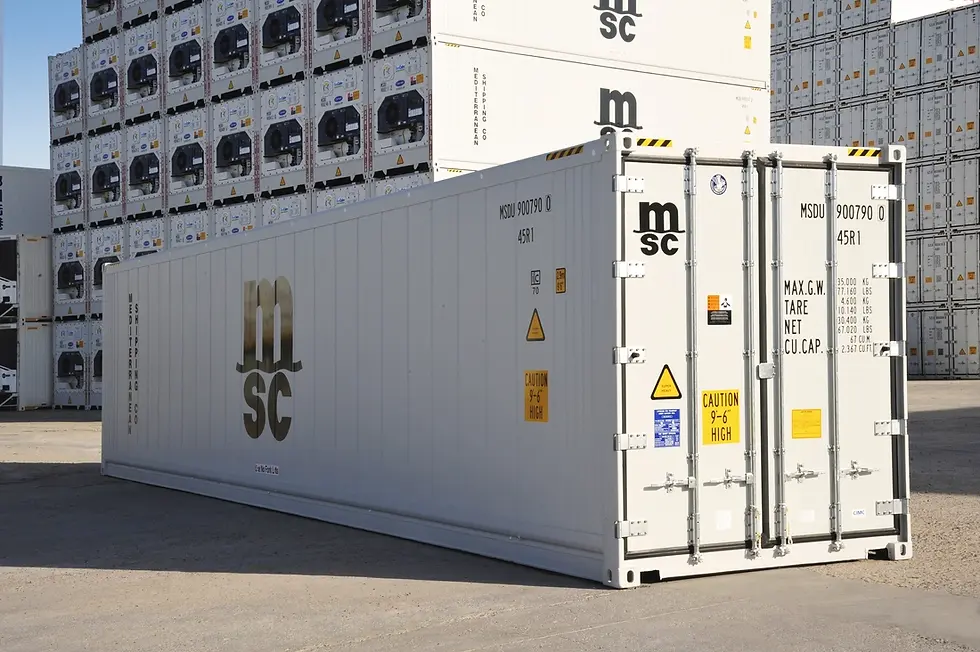
Reefer containers are temperature-controlled containers used for food and pharmaceuticals.
Temperature Range
−25°C to +25°C
Used for:
Frozen food
Fruits & vegetables
Meat
Dairy products
Pharmaceuticals
7. Tank Container

Tank containers are used for liquid and chemical transportation.
Used for:
Chemicals
Oil
Food liquids
Gas
Conclusion
Choosing the correct container type ensures safe transport, cost efficiency and compliance with international shipping standards.
At Carrier Global Logistics, we provide full support for container selection, booking, inland transport and customs procedures.
For container booking and freight quotation, please contact our team.
Carrier Global provides container shipping and international freight forwarding services from major Turkish ports.


Comments